

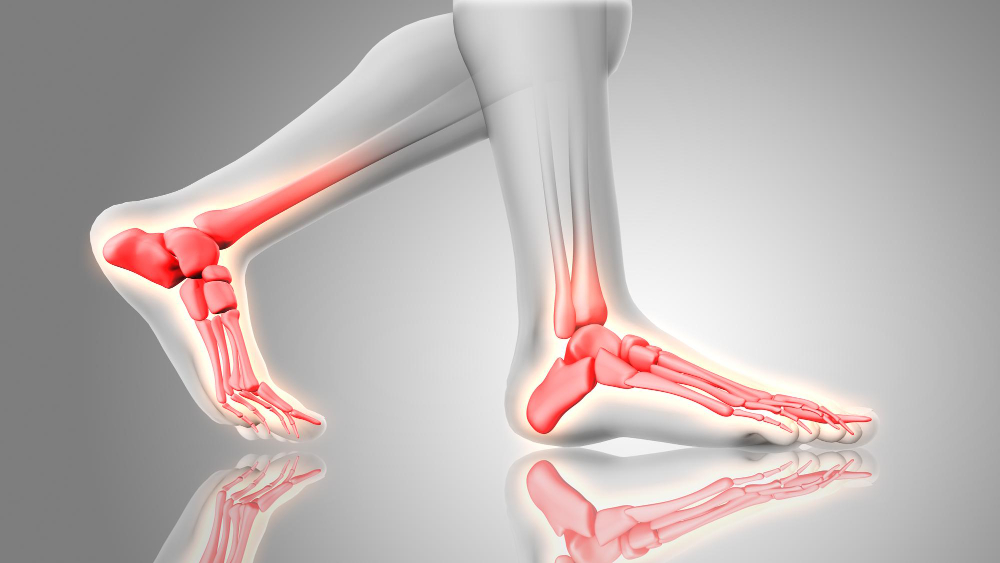
Charcot Foot Treatment in New York, NY
Charcot foot is a serious condition that develops most often in people with diabetes and nerve damage. Progressive Footcare offers the specialized monitoring and treatment needed to protect the foot before permanent deformity sets in.
Request an AppointmentUnderstanding Charcot Foot
Charcot foot occurs when weakened bones in the foot fracture or shift, often without much pain due to underlying nerve damage (neuropathy). Over time, if it isn’t caught early, this can change the actual shape of the foot, sometimes leading to a collapsed arch and significant instability.
Who Is Most at Risk?
- People with long-standing diabetes, especially with known neuropathy
- Patients with a history of foot ulcers or previous foot trauma
- Anyone with significantly reduced sensation in the feet
Early Warning Signs
- Redness, warmth, and swelling in one foot, often without significant pain
- A foot that feels noticeably warmer than the other one
- Visible changes in foot shape, like a flattened arch
- A sense of instability, even without clear pain
Because pain is often minimal, these signs are easy to overlook, which is a major reason Charcot foot frequently isn’t caught until structural damage has already occurred.
Our Charcot Foot Treatments
- Immobilization and offloading to protect the foot while bones heal in the early stage
- Custom bracing or footwear to stabilize the foot’s structure
- Ongoing monitoring to catch changes as early as possible
- Coordination with your diabetes management team when needed
- Surgical stabilization in more advanced cases
Why Choose Progressive Footcare?
- Experience recognizing the subtle early signs of Charcot foot
- On-site imaging to assess bone changes
- A comprehensive approach to diabetic foot care, including long-term monitoring after the acute phase resolves
- Custom footwear and bracing solutions to protect the foot going forward
Charcot foot caught early is far easier to manage than one that’s already changed shape. Explore our other conditions treated, or contact us today at (212) 244-7670 if you’ve noticed warmth, swelling, or a shape change in one foot.
Charcot Foot FAQs
Why does Charcot foot happen mostly in people with diabetes?
Diabetes-related nerve damage reduces sensation in the feet, so small fractures or joint damage can go unnoticed and worsen with continued walking, which is how Charcot foot typically develops.
Does Charcot foot hurt?
Often less than you’d expect given the severity, since reduced nerve sensation is part of what allows it to progress. Redness, warmth, and swelling are often more noticeable than pain.
Can Charcot foot be treated without surgery?
In its early stages, yes — immobilization and offloading can allow the bones to heal without significant deformity. More advanced cases may require surgical stabilization.
How is Charcot foot diagnosed?
Through a combination of physical exam, comparing temperature and swelling between feet, and imaging like X-rays to assess bone changes.
Will I need special footwear after Charcot foot?
Many patients do need custom bracing or footwear long-term to protect the foot’s new structure and prevent further injury, even after the acute phase resolves.
Can Charcot foot come back after treatment?
The affected foot remains at higher risk going forward, which is why ongoing monitoring and proper footwear matter even after initial healing.